DeFlock MD-06
Safety should never mean warrantless surveillance.It's time to put an end to mass vehicle tracking across Allegany, Garrett, Washington, Frederick, and Montgomery Counties.
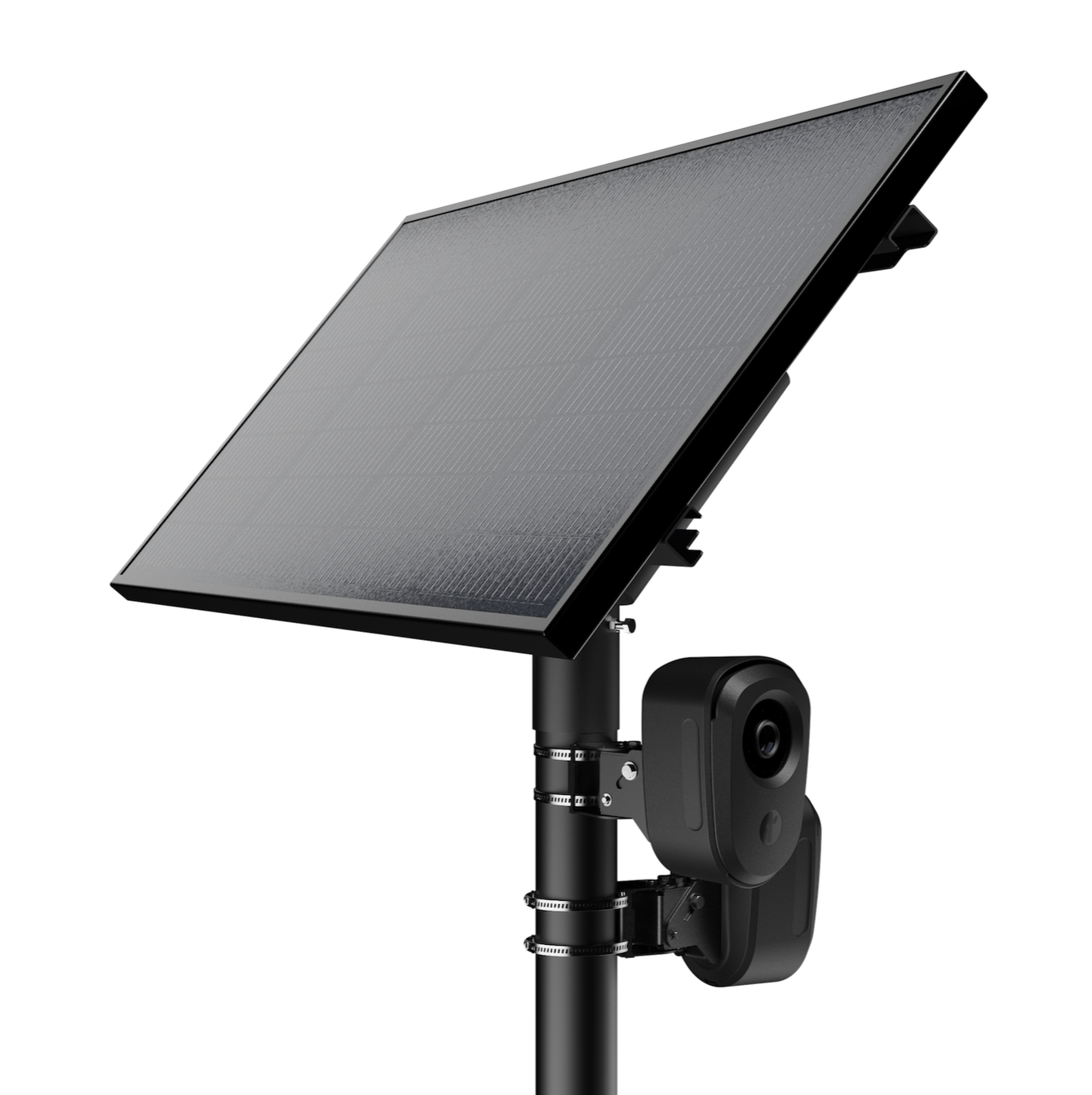
What is Flock?
Flock Safety sells automated license plate reader (ALPR) cameras to local governments and law enforcement agencies — and they're spreading fast across Maryland.Every time your car passes one, the camera records your license plate, the exact time and location, and physical details about your vehicle — color, dents, window tint, even tire type. That data is uploaded to a shared database accessible by law enforcement agencies across the country, not just your local police.Flock markets its system as a tool for solving crimes and recovering stolen cars. But the same technology creates a detailed record of where you've been — and that record can be stored for weeks or months, available for review long after the fact.Public safety is a real goal. But a surveillance network with no clear limits, no meaningful transparency, and no public oversight isn't just a tool — it's infrastructure for tracking everyone, all the time.

Why This Matters
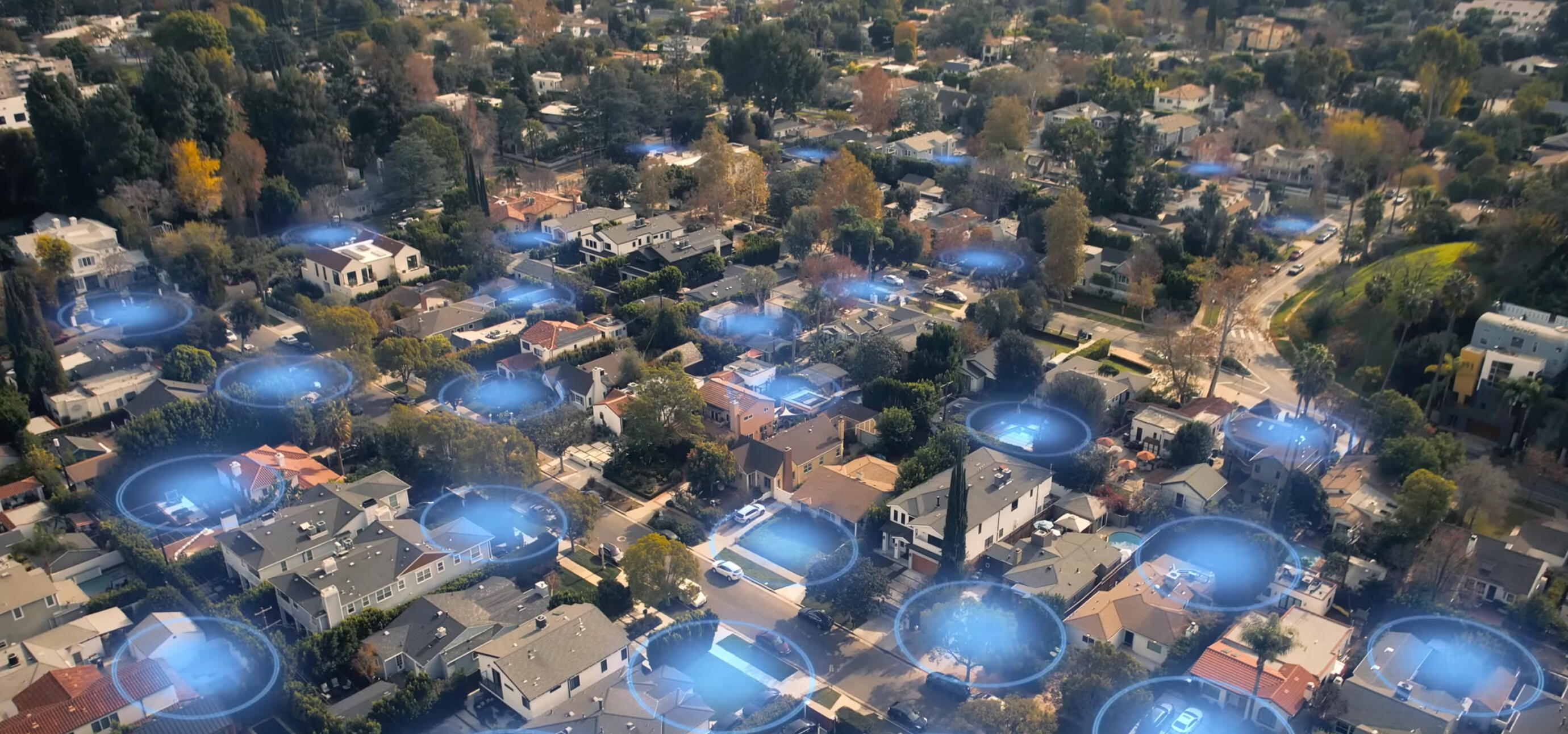
Where you drive says more than you think.Your church. Your doctor's office. Your therapist. Your union hall. A political meeting. A protest.You didn't consent to logging any of it. But Flock did it anyway.Movement becomes data. Data becomes patterns. Patterns become profiles.When location data is stored and searchable, those patterns can be reconstructed weeks or months later — by agencies you've never heard of, for purposes you were never told about, without a warrant.That's not a hypothetical. That's how the system works right now.This isn't about being anti-law enforcement. It's about the difference between a tool and a dragnet. Every person in MD-06 who drives a car is in this database. Most of them have no idea.
The Oversight Gap
These are the basic questions any resident should be able to answer about a surveillance system operating on their public roads. In Maryland's 6th Congressional District, none of them have clear, publicly available answers.How long is your location data stored? No public policy.Who is authorized to search the database? No public policy.Is a warrant required to search your past movements? No public policy.Is data shared across county lines or with federal agencies? No public policy.Is there independent oversight or auditing of how the system is used? No public policy.A surveillance network without answers to these questions isn't public safety infrastructure. It's a blank check.
40+
Government-operated Flock cameras confirmed in MD-06.
50+
Private Flock cameras (HOAs, businesses) feeding the same network.
100%
Share your data with outside agencies — no warrant required.

Security Without Surveillance
Better public safety doesn't require a permanent record of everyone's movements. These are the minimum standards any ALPR system operating in MD-06 should meet — and what I'll fight to put into law.Strict Data Retention Limits: Vehicle data must be deleted within 7 days unless it's tied to a specific, documented criminal investigation. There's no public safety justification for keeping it longer.Warrant Requirement for Retroactive Searches: Searching historical location data is a search. It requires a judicial warrant based on probable cause — full stop.Clear Access Controls: Only trained, authorized personnel can query the system, and every search must be logged with documented justification. No fishing expeditions.Public Reporting: Annual public reports must disclose how many searches were conducted, what types of cases, and what data was shared with outside agencies.Independent Audits: Compliance gets verified by an outside reviewer — not the agency running the system.No Use for Minor Infractions: This technology was not built for parking tickets and expired registrations. Routine traffic enforcement is off the table.No Immigration Enforcement Use: Local surveillance infrastructure will not be handed to federal immigration authorities. Period.
The Cost Question
Flock cameras aren't free — and they're not a one-time purchase.Every installation comes with hardware costs, setup fees, and an ongoing subscription. Data storage is a separate recurring contract. When a jurisdiction expands its camera network, it's signing up for years of vendor lock-in, often without public debate.Every dollar committed to automated surveillance is a dollar not spent on deputies on patrol, community safety programs, road repairs, or emergency response.Before any expansion, taxpayers deserve straight answers:What is the total annual cost — hardware, installation, subscription, and storage?How long are we locked into these vendor contracts, and what does it cost to exit?What measurable public safety outcomes justify continued spending?If those answers aren't available, that's not an oversight. That's a choice.
Take Action
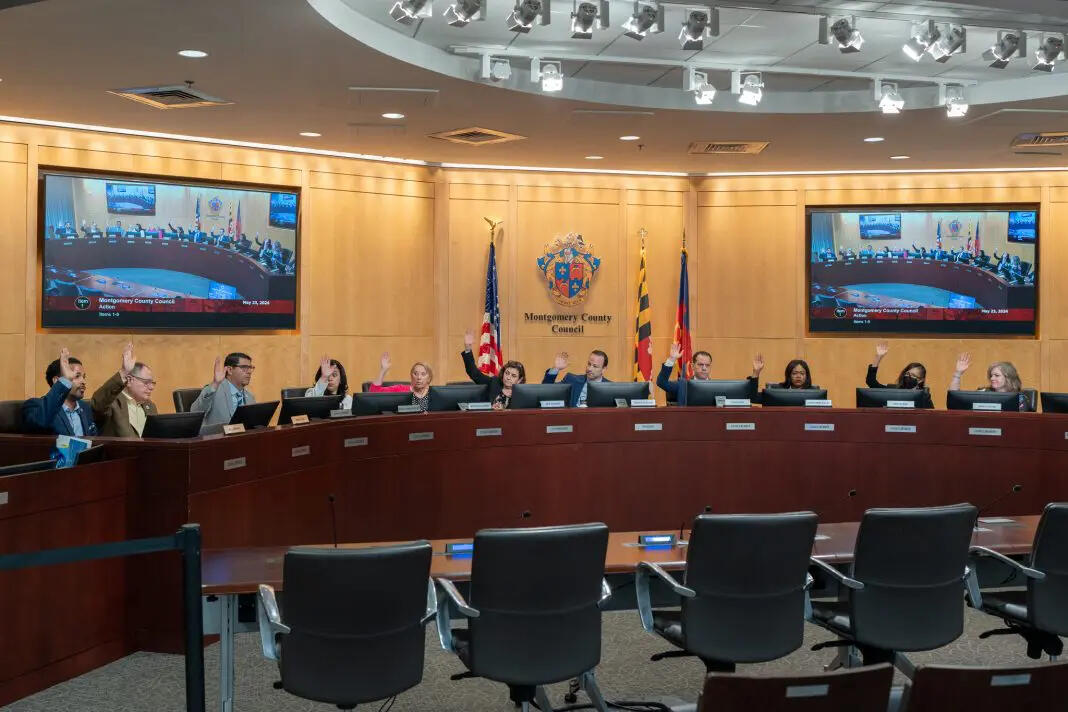
If a vehicle tracking system is operating in your county, you have the right to demand answers. Here's where to start.1. Contact Your County Council
Ask for the written policy governing data retention, access controls, data sharing, and independent audits. If no written policy exists, that's your answer.2. Request Public Records
Submit a Maryland Public Information Act (MPIA) request for contracts, retention policies, access logs, and audit reports. Ethan has done it — so can you.3. Show Up
Attend a public meeting and ask whether ALPR expansion has been approved, what it costs, and whether residents were ever notified.4. Join the Fight
This is a campaign issue because it's a governance issue. If you want oversight, transparency, and real accountability built into law — get involved.4. Spread the Word
Most people in MD-06 don't know this system exists. Change that.Surveillance without accountability isn't public safety. It's power without limits — and it's time that changed.